

Mentoring Propels Success of CHTC Fellows
September 30, 2026This past summer, the Center for High Throughput Computing (CHTC) welcomed two undergraduate students to its CHTC Fellows Program, which trains students in the development and use of cyberinfrastructure through an eleven week summer program. The CHTC Fellows Program, launched in 2024, pairs students with two mentors to develop the student skills and contribute to the cyberinfrastructure behind the nation’s science, providing them a firsthand look at how researchers actually put high throughput computing to work. Mentorship is at the center of the fellowship experience. The summer 2026 fellows, Daniella Wright and Snikitha Siddavatam, each credit their mentors not just with keeping their projects on track, but with fundamentally shaping the course of their projects.
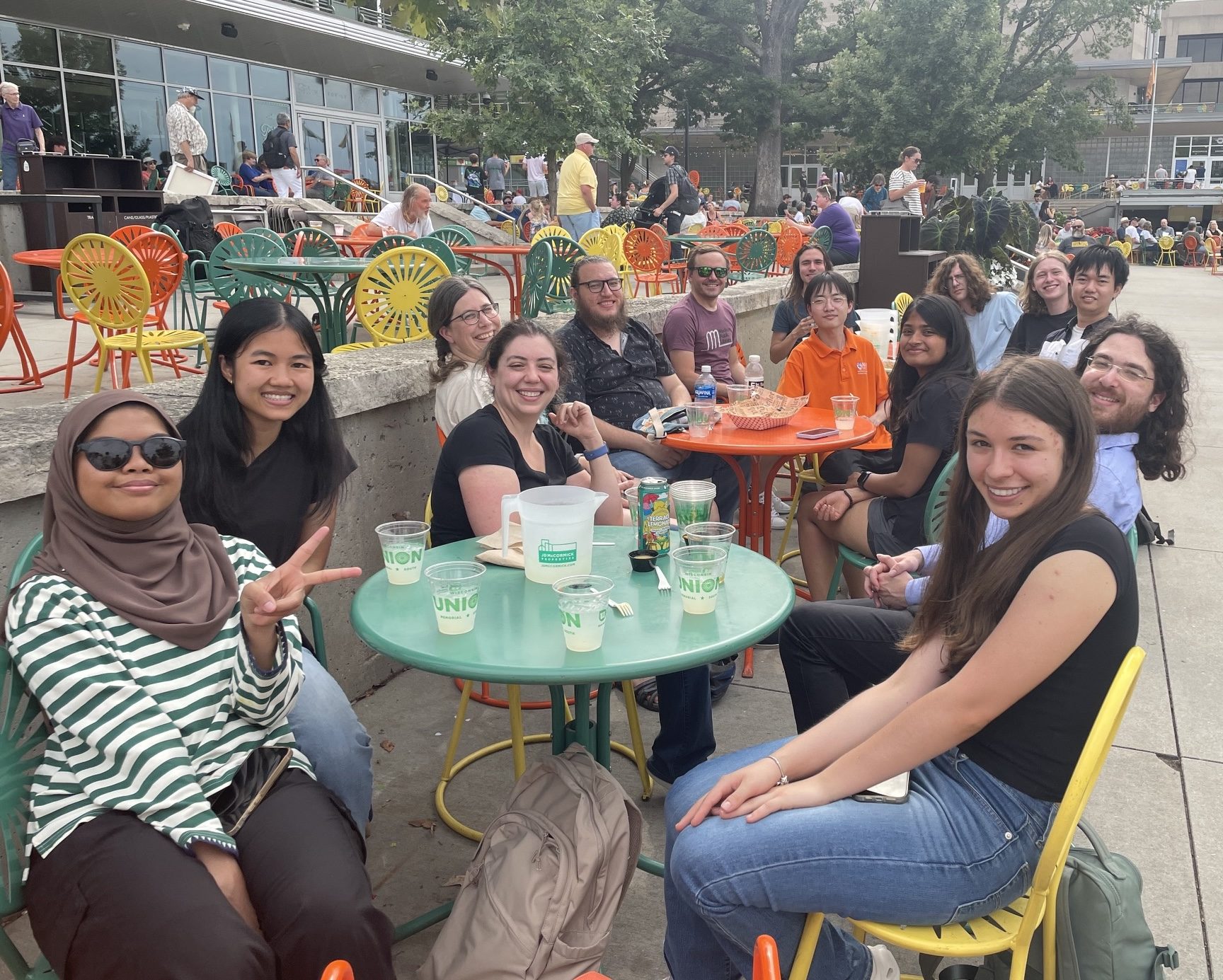
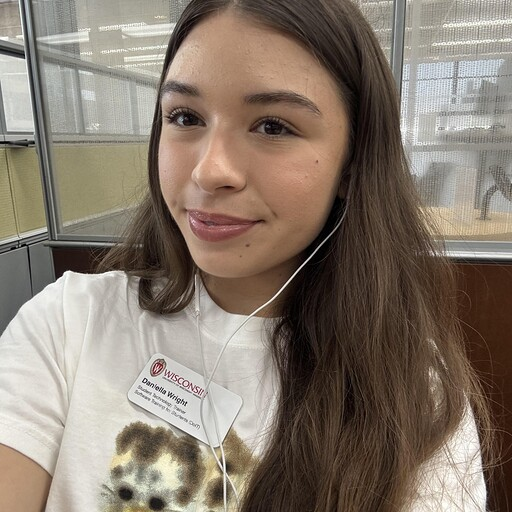
CHTC Fellow Daniella Wright Nogueda is pursuing a degree in Computer Science and Data Science, with a minor in graphic design. Daniella’s project this summer, “Bytes of Knowledge” focused on how CHTC’s documentation could better communicate research computing information. Prior to working at CHTC, Daniella had experience working with students through The Division of Information Technology (DoIT) at UW Madison. “I felt connected to the project because of my background in teaching and writing.” The driving force behind Daniella’s project was to make CHTC documentation, like the CHTC website and usage manual, easier to parse, understand, and apply. Her project showed that documentation improves by restructuring how technical content is presented through rewrites, purposeful graphics, and guided examples, making CHTC’s pages easier to scan and apply.

CHTC Fellow Snikitha Siddavatam’s project aimed to maximize efficiency for high throughput computing users. Snikitha Siddavatam, studying Computer Science and Data Science, found out about the Fellows program through a friend. Her project “Understanding Throughput Using a Standardized Workflow” sought to understand throughput using a standardized workflow; “it’s basically to help users understand how resource requests affect throughput, and how to better request for the amount of resources they need.” Conducting her research Snikitha ran a simple, repeatable calculation that crossed tens of thousands of computing jobs at once, then measured how quickly those jobs finished as she dialed the number of jobs and the amount of memory each one requested up and down. Testing revealed that over-requesting memory doesn’t slow jobs down gradually but drops throughput sharply once requests cross a specific threshold.
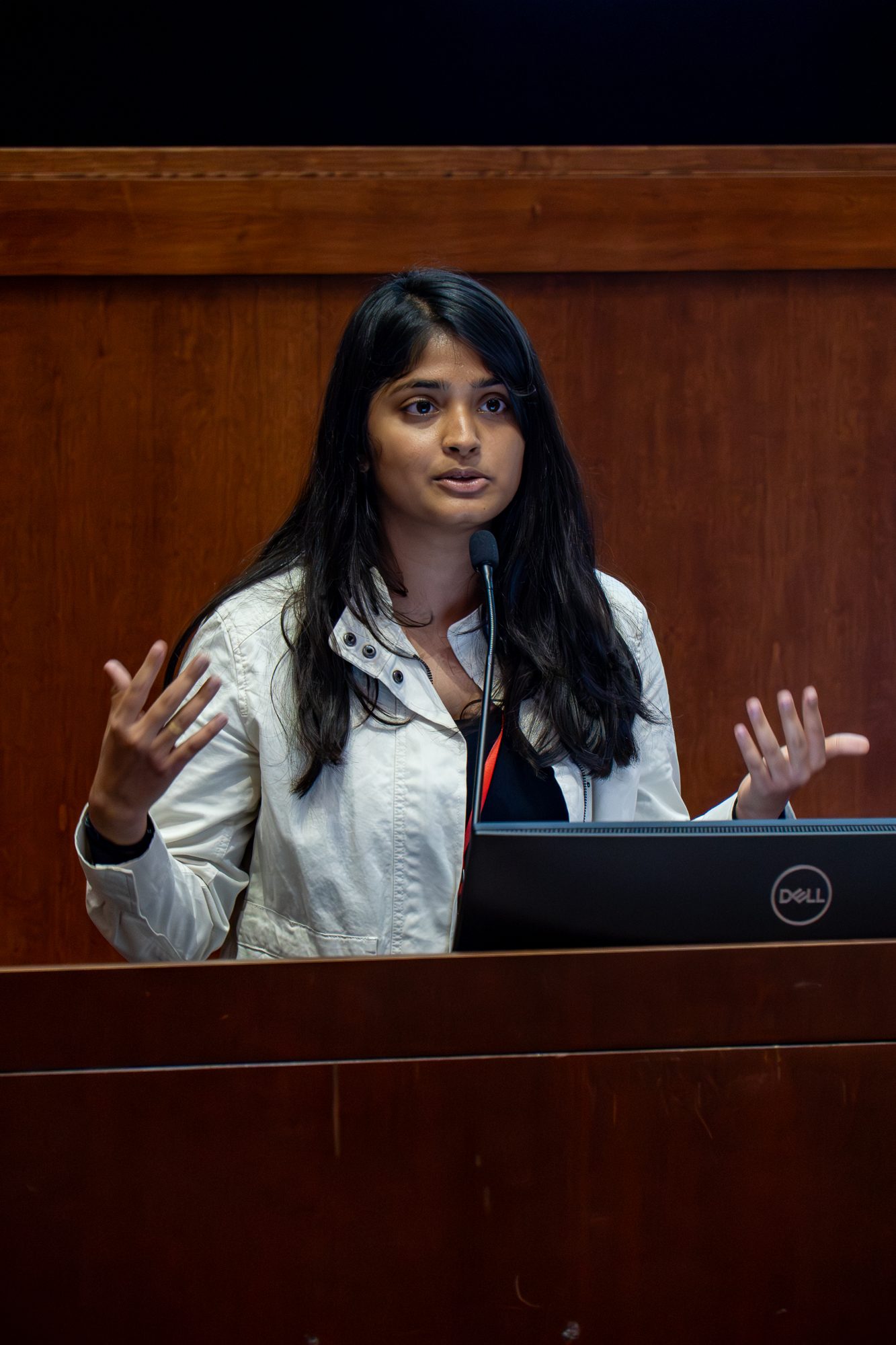
Mentorship shapes each fellow’s project from the very beginning. At the start of the fellowship, each Fellow was paired with two CHTC staff mentors who help them scope, develop, and produce their project over the course of the summer, a resource fellows lean on heavily whenever they run into challenges. Snikitha, for example, was dealing with massive amounts of data, millions of job submissions, and she turned to her project mentors, Systems Integration Developer Ian Ross and Research Computing Facilitator Andrew Owen, to help process this data flow. “Andrew and Ian were like my support system, it’s a very friendly environment to work in,” she said. Ian Ross remarked on his experience serving as a mentor: “The most rewarding aspect of the fellowship program to me is watching the fellows grow throughout the summer. They’re technically strong from the start, but seeing them work in environments and in areas totally new to them and seeing them succeed is amazing.”
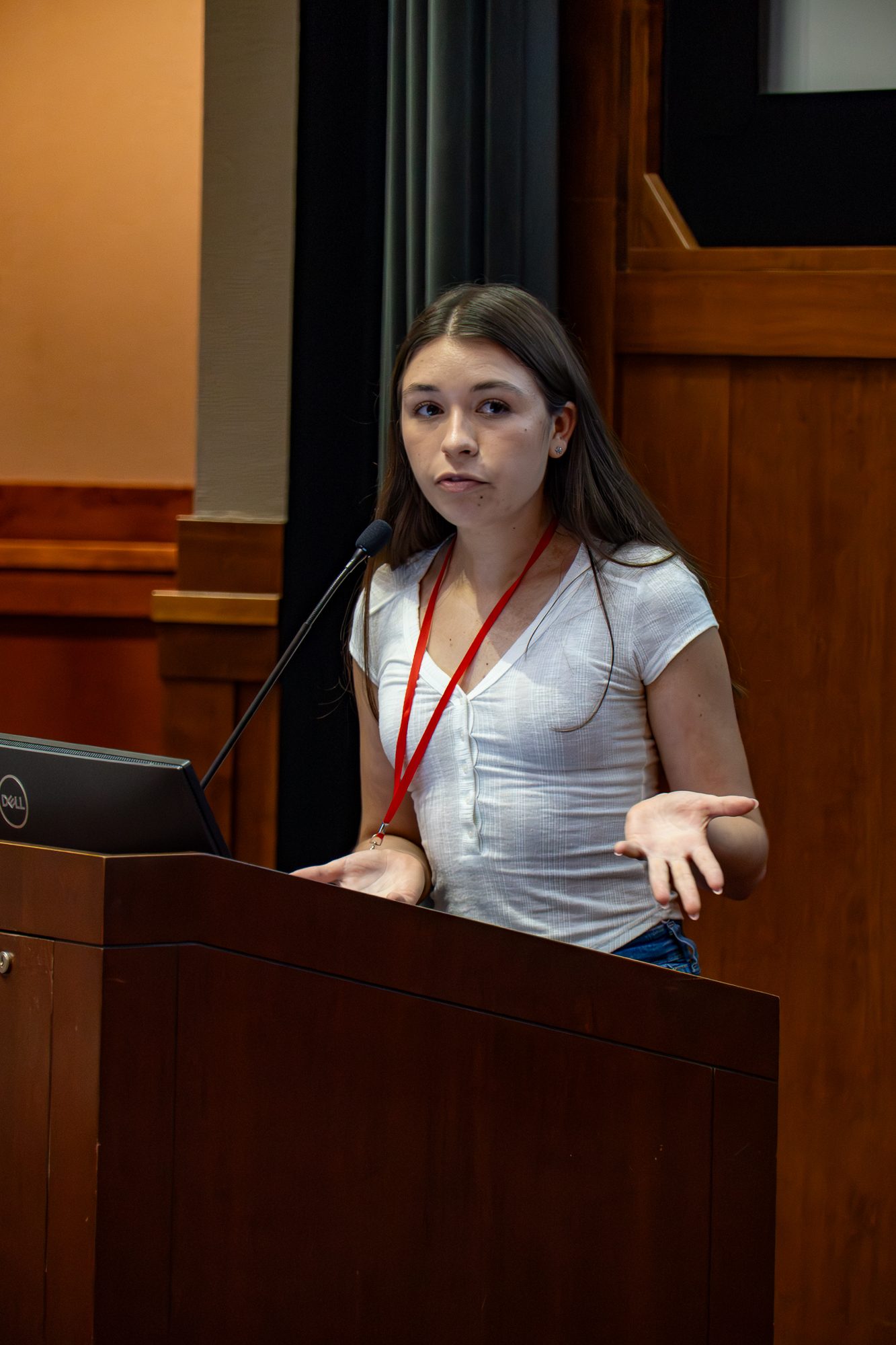
Daniella faced a different kind of challenge over the summer: pivoting from working with students, as she had in previous roles, to working with researchers instead. She found support in her mentor, Research Computing Facilitator Amber Lim, along the way: “It made me feel comfortable, having somebody there that I could reach out to when I had questions.” Mentor Amber Lim noted “Through her work, you could see how much thought she put into every aspect, which is a skill that we want to help cultivate in the students and people that work with us.”
The work the fellows do doesn’t end when the fellowship completes, skills learned during the course of the fellowship can transfer into real life abilities. Snikitha plans to go into the research side of computer science, and this project helped her understand “research in general, what goes on behind the scenes and how to better address challenges along the way.” Fellows attend a variety of events over the course of the summer, like High Throughput Computing Week and the OSG School, where they can sit in on talks and presentations on real world applications of high throughput computing. Daniella has joined CHTC as a student intern this fall and will be continuing her work writing and improving documentation.